Long Beach, CA · Los Angeles County
Wall Mold Removal in Long Beach, CAAttic Mold Removal & Black Mold Remediation
Wall Mold Removal in Long Beach covers crawl space mold abatement, attic mold removal and bathroom mold cleanup.
Answered 24/7
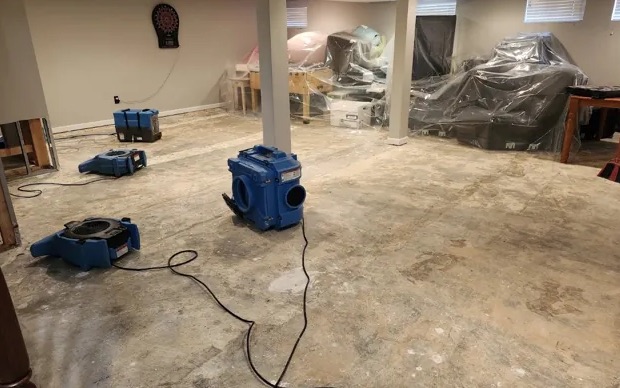
Professional Wall Mold Removal in Long Beach, CA
A musty smell, dark spots on drywall or stains around a window are the usual first signs of mold in Long Beach homes. What you see is often only part of it.
In Long Beach, Signal Hill, Seal Beach and Carson, local mold cleanup pros remove mold after water damage, clean affected framing and dry the area so the problem does not return.
Wall Mold Removal in Long Beach
Attic Mold Removal
Mold on roof sheathing and rafters usually comes from a roof leak or poor attic ventilation. The pros clean or treat the wood and point out the moisture problem that caused it.
Black Mold Remediation
The color of mold does not change the method. The pros contain the area with plastic sheeting, remove what cannot be cleaned and fix the moisture that let it grow.
Crawl Space Mold Abatement
Crawl space mold is removed by cleaning the framing and removing wet or moldy insulation and vapor barrier. Keeping the space dry stops it from coming back.
Bathroom Mold Cleanup
Mold that keeps returning on a bathroom ceiling often means poor ventilation. The pros clean the area and check whether moisture is getting into the drywall.
Mold Inspection Services
An inspection looks for visible mold, musty odors and the moisture behind them. Moisture meters and thermal cameras help find wet areas inside walls and under floors.
Warning Signs You Need Wall Mold Removal in Long Beach
Stains or Discoloration
Yellow or brown stains on ceilings and walls show where water has been. Mold often grows in the same spot or just behind it.
Allergy Symptoms Indoors
Sneezing, coughing or itchy eyes that ease when you leave the house can be a sign of mold. A doctor can tell you more.
Past Water Damage That Was Not Dried
A leak or flood that was mopped up but not dried with equipment can leave moisture in walls and floors, where mold grows later.
Peeling Paint or Bubbling Drywall
Paint that bubbles or peels and drywall that feels soft point to moisture inside the wall, which mold needs to grow.
How Wall Mold Removal Works in Long Beach
Step 1: Attic and Crawl Space Inspection
The pros check sheathing, joists and insulation for mold and look for roof leaks, vents or plumbing problems.
Step 2: Removing Moldy Insulation
Wet or moldy insulation and vapor barrier are bagged and removed so the framing can be reached.
Step 3: Cleaning the Framing
Mold on rafters, joists and sheathing is cleaned off with brushes and HEPA vacuums.
Step 4: Fixing Moisture Conditions
The pros explain what caused the moisture, such as a roof leak or poor airflow, and what needs repair.
Common Causes of Mold Growth in Long Beach
Window and Door Leaks
Failed seals around windows and doors let rain into the wall cavity, where mold grows on framing and the back of the drywall.
Slow Plumbing Leaks
Drips under sinks, behind toilets and inside walls can go unnoticed for months, keeping wood and drywall wet enough for mold to grow.
AC Condensation Problems
A clogged condensate drain or a cracked drain pan leaks water near the air handler, and mold grows on nearby drywall and ductwork.
High Indoor Humidity
When indoor humidity stays high, moisture collects on cool surfaces like windows, closet walls and corners, and mold follows.
Wall Mold Removal for Every Property Type
Residential Wall Mold Removal
After a flood or long leak at home, moldy carpet, pad and lower drywall are removed and the structure is dried before rebuilding.
Commercial Wall Mold Removal
Restaurants, clinics and schools need mold removed carefully around people. Containment and air scrubbers keep work areas separated.
Wall Mold Removal vs. DIY: When to Call Mold Cleanup Pros
You can fix a dripping faucet, run bathroom fans and use a dehumidifier. Mold on drywall or wood that keeps coming back usually means hidden moisture that needs to be found.
Wall Mold Removal Cost in Long Beach, CA
Most of the cost comes from containment, removal of moldy drywall or insulation, cleaning and drying. Rebuilding is usually priced separately.
Materials Affected
Drywall, insulation and carpet with mold are removed and replaced, while framing and hard surfaces can usually be cleaned.
Size of the Moldy Area
A small patch in one room takes far less time, containment and disposal than mold spread across several rooms or a whole attic.
Containment Needed
Larger jobs need plastic sheeting, negative air machines and air scrubbers, which add setup time and equipment cost.
Does Insurance Cover Wall Mold Removal?
Some policies have a separate mold limit. Ask your insurer what applies before work starts and keep photos of the damage.
What Local Pros Offer
Clear Scope Before Work Starts
An inspection sets out what will be removed, cleaned and dried before any work begins, so there are no surprises.
Records for Your Insurer
Photos, readings and a written scope document the mold, the moisture source and the work done.
HEPA Filtration
Air scrubbers and HEPA vacuums capture spores and dust during removal, which household vacuums cannot do.
Round-the-Clock Wall Mold Removal for Long Beach
Mold after a leak or flood in Long Beach? Stop the water if you can, keep the area closed off and call (562) 512-6288. Help is available 24/7.
Call Now (562) 512-6288Areas Served for Wall Mold Removal Around Long Beach
Mold removal and drying after water damage are available across Long Beach, and in Signal Hill, Seal Beach and Carson.
Your Mold Cleanup Questions Answered
Can I stay home during mold removal?
Often yes, for contained jobs. People with asthma or other breathing problems may want to stay elsewhere during large removals.
Will mold come back after remediation?
It can if the moisture source is not fixed. Finding and stopping the leak or humidity problem is part of the job.
Is black mold more dangerous than other mold?
Any mold can cause allergy and breathing symptoms. The removal method is the same regardless of color: contain, remove, clean and dry.
Can I remove mold myself?
Small patches on hard surfaces can be cleaned with soap and water. Larger areas, mold inside walls or mold after a flood should be handled by pros.
Does homeowners insurance cover mold removal?
Sometimes, when mold comes from a sudden covered water event. Mold from long-term leaks or humidity is often excluded. Check your policy.