Rolling Hills Estates, CA · Los Angeles County
Rapid Structural Drying in Rolling Hills Estates, CAConcrete Slab Drying & Wall Cavity Drying
Rapid Structural Drying in Rolling Hills Estates includes emergency structural drying, moisture mapping services, and flood drying services.
Answered 24/7
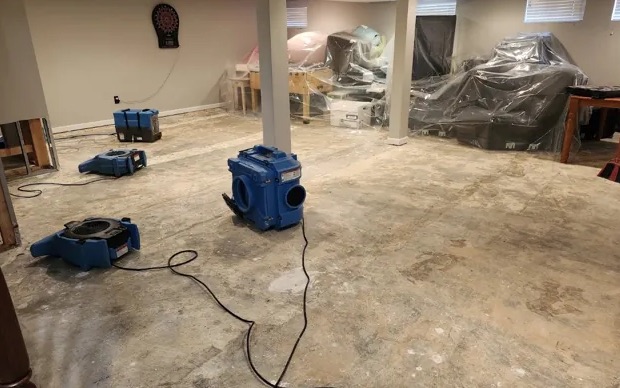
Expert Rapid Structural Drying for Rolling Hills Estates Properties
Wall cavities act as hidden reservoirs for water after a leak. Insulation and framing inside walls hold moisture long after surface water is gone.
For commercial structural drying in Rolling Hills Estates, businesses benefit from rapid intervention to limit downtime and damage. Assistance is available throughout the region, such as in Palos Verdes Estates, Lomita and Rancho Palos Verdes, with 24/7 availability.
Tailored Rapid Structural Drying for Rolling Hills Estates
Concrete Slab Drying
Water under or within a concrete slab can wick upward for weeks. Moisture meters track the slab's drying progress daily.
Wall Cavity Drying
Interior walls can absorb significant moisture from leaks or floods. Wall cavity drying involves accessing the space between studs to direct airflow and desiccant dehumidification.
Flood Drying Services
Widespread flooding presents a unique drying challenge. Services for this scenario involve creating drying chambers and managing airflows across large spaces.
Emergency Structural Drying
A sudden water event requires a drying protocol. High-capacity dehumidifiers then work to pull moisture from the air and structural components, starting the recovery process.
Subfloor Drying
A soaked subfloor is a priority for structural drying. The process involves moisture mapping to determine the extent of saturation.
Warning Signs You Need Rapid Structural Drying
High Indoor Humidity Levels
A clammy feeling in the air suggests elevated moisture that structural dehumidification equipment is designed to correct.
Damp Spots on Concrete Floors
Persistent dampness on a concrete slab can leave white mineral deposits and loosen flooring adhesive.
Recent Plumbing Leak or Flood
Any recent leak or flood can leave water inside walls and floors even after surfaces look dry.
Mold Growth on Baseboards
Mold appearing along floor edges often points to hidden moisture in wall cavities or subfloors needing extraction.
How Rapid Structural Drying Works in Rolling Hills Estates
Step 1: Water Extraction and Containment
The process begins with extracting any standing water, then containing the affected area to prevent moisture migration to dry parts of the building.
Step 2: Professional Drying Equipment Deployment
Powerful desiccant and refrigerant dehumidifiers are deployed alongside air movers to aggressively remove moisture from the air and building materials.
Step 3: Focused Crawl Space and Slab Drying
Hard areas get specific methods, such as ducted air for crawl spaces and floor mats for concrete slabs.
Step 4: Final Moisture Validation and Documentation
Final moisture readings are taken and documented with photos and reports for your insurer, confirming the structure is dry and stable.
Events That Lead to Rapid Structural Drying
Severe Weather and Flooding
Heavy rainfall or localized flooding can overwhelm drainage, leading to water intrusion.
Poor Ventilation in Enclosed Spaces
Inadequate airflow in crawl spaces or wall cavities traps moisture, promoting rot and mold that experts must address.
Appliance Malfunctions and Leaks
Faulty water heaters, washing machines, or dishwashers can leak slowly, causing hidden damage in walls and floors over time.
HVAC System Condensation Issues
Clogged drain lines or faulty condensate pumps from air handlers can cause significant water damage inside walls and ceilings.
Property Types Requiring Rapid Structural Drying in Rolling Hills Estates
Residential Rapid Structural Drying
Homeowners face risks from hidden moisture in attics and crawl spaces. Emergency structural drying services use air scrubbers and focused drying to safeguard indoor air quality and the home's structural integrity from slow leaks.
Commercial Rapid Structural Drying
Warehouses and industrial facilities need large-scale drying for wide concrete floors. Professionals employ drying strategies and moisture mapping to prevent corrosion of inventory and structural components.
The Risks of Attempting Rapid Structural Drying Yourself
Wipe down accessible surfaces with towels and increase ventilation by opening windows if weather permits. Avoid using household fans on wet drywall, as they can spread mold spores.
Pricing Considerations for Rapid Structural Drying in Rolling Hills Estates
Pricing for emergency structural drying in Rolling Hills Estates varies based on the category of water involved and the required drying time. Dehumidification and moisture mapping add to the total.
Water Contamination Category
Clean water from a broken pipe is simpler to address than contaminated flood water, which requires more extensive safety and drying protocols.
Secondary Damage Prevention
Efforts to prevent mold growth during the drying process, such as applying antimicrobials, can be a factor in the service cost.
Project Duration
The total time needed for complete structural dehumidification and achieving dry standards affects the overall labor and equipment rental period.
Does Insurance Cover Rapid Structural Drying?
Whether insurance covers emergency structural drying in Rolling Hills Estates is determined by your specific policy language. It is essential to confirm coverage details with your insurance provider before authorizing any major work.
The Importance of Expert Rapid Structural Drying
Detailed Documentation for Claims
Comprehensive logs of moisture readings and photos are taken to document the damage for insurance purposes.
IICRC-Standard Drying Methods
Drying follows set targets checked with meters, which prevents damage from moisture left behind.
Advanced Moisture Detection
Tools like thermal imagers and moisture meters are used for accurate moisture mapping to find hidden water.
Emergency Moisture Removal for Rolling Hills Estates
Water in a business can close rooms or whole floors. Call (562) 512-6288 24/7 to start moisture mapping and drying in Rolling Hills Estates.
Call Now (562) 512-6288Rapid Structural Drying Near Rolling Hills Estates: Areas Served
Rapid structural drying is available for homes and businesses in Rolling Hills Estates. Local moisture removal experts also serve nearby places like Palos Verdes Estates, Lomita and Rancho Palos Verdes.
- Rapid Structural Drying in Palos Verdes Estates
- Rapid Structural Drying in Lomita
- Rapid Structural Drying in Rancho Palos Verdes
- Rapid Structural Drying in Torrance
- Rapid Structural Drying in Redondo Beach
- Rapid Structural Drying in Manhattan Beach
- Rapid Structural Drying in Hermosa Beach
- Rapid Structural Drying in Playa del Rey
- Emergency Damage Restoration in 90274
- Storm Damage Restoration in 90274
- Water Damage Restoration in 90274
- Water Extraction Service in 90274
- Water Leak Detection in 90274
- Water Removal Service in 90274
Rapid Structural Drying FAQs
What happens if wall cavity drying is delayed?
Delayed wall cavity drying allows moisture to promote mold growth inside walls, degrade insulation, and potentially weaken drywall or wooden studs, leading to more extensive and invasive repairs.
How long does concrete slab drying typically take?
Concrete slab drying time varies with thickness and saturation but often takes several days, as dense concrete releases moisture slowly, requiring sustained use of industrial dehumidifiers and air circulation.
Why is quick action critical for structural drying?
Quick action limits the extent of water absorption into materials, reduces the drying time required, and helps minimize the potential for costly repairs related to structural decay or mold.
Why document the process for insurance?
Detailed documentation of moisture readings, photos, and equipment used provides a clear record for your insurance claim, showing the necessity and scope of the rapid structural drying services performed.
How does drying differ for residential structural drying?
Residential structural drying often involves navigating living spaces, personal belongings, and varied construction materials, with a focus on restoring habitability and protecting the home's value.