Lakewood, CA · Los Angeles County
Moisture Mapping in Lakewood, CACondensation Damage Evaluation & Subfloor Moisture Inspection
Moisture Mapping in Lakewood includes condensation damage evaluation, thermal imaging moisture detection and wall cavity moisture mapping.
Answered 24/7
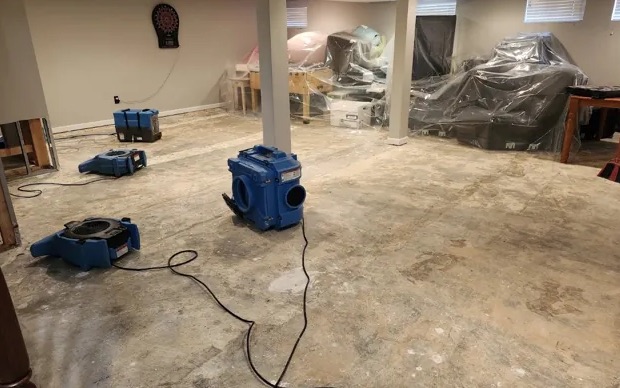
Moisture Mapping from Water Damage Pros in Lakewood
Hidden water damage from a slow roof leak can compromise ceilings and insulation. Throughout Lakewood, a detailed moisture check is the first step to proper restoration.
Moisture mapping in Lakewood helps identify hidden water damage through thermal imaging and moisture meter readings. Available in Lakewood and areas like Bellflower, Artesia and Hawaiian Gardens, these services support effective water damage assessment and drying verification.
Comprehensive Moisture Mapping for Lakewood
Condensation Damage Evaluation
Telling condensation from a sudden leak changes the fix. Local water damage pros map the affected areas and plan drying and repairs to match.
Subfloor Moisture Inspection
Pros check under flooring with surface and pin meters to see how much water is there, which decides whether the floor can be dried or must be replaced.
Thermal Imaging Moisture Detection
A thermal scan gives a picture of the wet areas for your records and for the drying plan, which helps keep mold from starting in your Lakewood home.
Pipe Leak Moisture Mapping
Mapping the edges of the wet area keeps sound drywall and flooring from being removed. The pros focus drying where it is needed.
Roof Leak Moisture Tracing
Moisture tracing from roof leaks involves checking insulation, rafters, and drywall for wetness. In homes across Lakewood, this prevents recurring issues after a roof is supposedly repaired.
Moisture Mapping for Hidden Water Damage Signs in Lakewood
Visible Mold or Mildew Growth
Mold spots on walls or ceilings mean moisture has been there for days, often from a hidden leak.
Soft or Spongy Drywall
Drywall that feels soft to the touch has absorbed water and may conceal a larger leak source.
Discoloration on Walls or Ceilings
Yellow, brown or dark stains on walls or ceilings often mean a slow leak behind the surface.
Musty or Damp Odors
Persistent musty smells often mean moisture is hidden inside walls, floors or ceilings.
How Moisture Mapping Works in Lakewood
Step 1: Emergency Water Damage Assessment
After a water event, pros check the property to find every area that needs mapping.
Step 2: Comprehensive Moisture Detection
The pros use meters and thermal cameras across walls, floors and ceilings to find every wet area.
Step 3: Post-Flood Moisture Assessment
A specific post-flood moisture assessment is done to evaluate saturation levels and plan for effective structural drying procedures.
Step 4: Structural Drying Verification
After drying efforts, structural drying verification is performed to confirm all mapped areas have returned to acceptable moisture levels.
Causes of Hidden Water Damage in Lakewood
Improperly Sealed Windows and Doors
Failed seals around windows and doors allow water infiltration, which can be mapped with thermal imaging water damage techniques.
Poor Ventilation and Condensation
Poor airflow in bathrooms, kitchens or attics lets condensation build up on walls and framing.
Foundation Cracks and Seepage
Cracks in the foundation or slab can permit groundwater intrusion, leading to persistent subfloor moisture problems.
HVAC System Issues
Malfunctioning air conditioners or humidifiers can add moisture that soaks ductwork and walls unseen.
Residential and Commercial Moisture Mapping in Lakewood
Residential Moisture Mapping
After a small flood, a moisture check by local pros shows whether drying is complete, so walls and floors are not closed up while still wet.
Commercial Moisture Mapping
In warehouses and plants, floor moisture mapping shows how far water spread across large open areas, so drying can start where it is needed most.
Hiring Local Pros for Moisture Mapping in Lakewood
You can visually inspect accessible areas for obvious signs of water, like puddles or stains, and wipe up surface water promptly. Ensure the area is well-ventilated by opening windows if it is safe to do so.
Factors in Moisture Mapping Cost for Lakewood
In Lakewood, pricing for moisture mapping is influenced by the number of rooms requiring assessment and the technology used, such as thermal imaging cameras.
Technology Required
Employing advanced thermal imaging for roof leak tracing or deep detection may involve higher equipment operation costs.
Accessibility of Areas
Difficult-to-reach wall cavities or subfloors in Lakewood homes can increase the labor time needed for accurate moisture mapping.
Damage Severity Level
Extensive hidden water damage demands prolonged investigation with thermal imaging, affecting the total project duration and pricing.
Does Insurance Cover Moisture Mapping?
For a roof leak moisture tracing claim, an insurance policy might pay for the inspection if the leak caused internal damage. A property owner should verify what is covered by discussing the assessment report with their insurance adjuster.
Advantages of Moisture Mapping from Local Pros in Lakewood
Structural Drying Verification
A final round of readings confirms the structure is dry before walls are closed and floors go back down.
Post-Flood Damage Assessment
A systematic post-flood moisture check evaluates saturation levels to inform an effective structural drying plan.
IICRC-Standard Methods
Readings are taken in a grid and recorded, so the results are consistent and can be checked again later.
Emergency Moisture Mapping Response for Lakewood
Think a roof leak is spreading water through your ceiling or walls? Call (562) 512-6288 anytime for fast moisture detection and a detailed damage assessment.
Call Now (562) 512-6288Moisture Mapping Near Lakewood: Areas Served
Residents in Lakewood and nearby areas like Bellflower, Artesia and Hawaiian Gardens can access detailed moisture inspection and thermal imaging for hidden water issues in their properties.
- Moisture Mapping in Bellflower
- Moisture Mapping in Artesia
- Moisture Mapping in Hawaiian Gardens
- Moisture Mapping in Cerritos
- Moisture Mapping in Los Alamitos
- Moisture Mapping in Signal Hill
- Moisture Mapping in Paramount
- Moisture Mapping in Rossmoor
- Emergency Damage Restoration in 90711
- Storm Damage Restoration in 90711
- Water Damage Restoration in 90711
- Water Extraction Service in 90711
- Water Leak Detection in 90711
- Water Removal Service in 90711
- Emergency Damage Restoration in 90712
- Storm Damage Restoration in 90712
Moisture Mapping in Lakewood: Your Questions Answered
What exactly is moisture mapping?
Moisture mapping is a detailed inspection process that uses tools like thermal imaging and moisture meters to create a visual map showing the location and severity of water intrusion within building materials.
How does thermal imaging help find moisture?
Thermal cameras read surface temperature differences. Wet areas stay cooler and show up as patterns, revealing water behind walls or under floors without opening them.
After mapping, what is the next step?
Following moisture mapping, the next step is often implementing a targeted drying plan based on the map, or if the leak is active, arranging repairs before drying begins.
What does a moisture mapping report include?
The report includes annotated floor plans showing wet areas, moisture meter data logs, thermal images, photos of damage, and recommendations for drying or repair based on the water damage assessment.
What tools are used for moisture meter reading?
Professionals use non-penetrating sensors for surface scans and penetrating probes for deep material checks, providing quantitative moisture content readings in wood, drywall, and concrete.