Glendora, CA · Los Angeles County
Concrete Water Damage Restoration in Glendora, CAConcrete Slab Water Extraction & Patio Slab Drying Services
Concrete Water Damage Restoration in Glendora covers concrete slab water extraction, concrete foundation drying and flooded garage concrete cleanup.
Answered 24/7
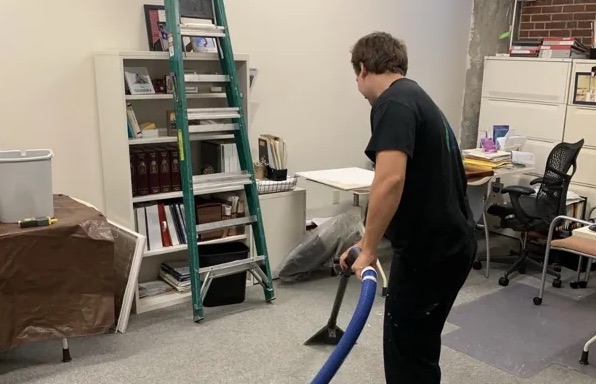
Expert Concrete Water Damage Restoration for Glendora Homes
Concrete dries slowly, and it gives up water to anything resting on it. In Glendora, sill plates, baseboards and the bottom of drywall on a wet slab stay damp until the concrete itself is dry.
Property owners in Glendora can call (562) 512-6288 day or night when water reaches a slab floor or garage. Service also covers Azusa, Covina and San Dimas, with the same steps.
Detailed Concrete Water Damage Restoration Offered in Glendora
Concrete Slab Water Extraction
Readings across the slab show where moisture remains, which decides how long drying equipment needs to run.
Patio Slab Drying Services
A patio that slopes toward the house is a common cause of water at back doors. The slope problem is noted for a contractor.
Sidewalk Water Damage Cleanup
Mud, debris and standing water on sidewalks and walkways after a flood are cleared so water can drain and the area is safe to walk.
Concrete Crack Seepage Repair
The crack location is photographed and marked so a waterproofing or concrete contractor can seal it.
Concrete Foundation Drying
Outside causes, such as soil sloping toward the house, are noted so water stops collecting against the foundation.
Warning Signs of Concrete Water Damage in Glendora
Persistent Dampness After Rain
Concrete floors that stay damp for days after rain point to seepage or ground moisture.
Uneven or Sinking Concrete Sections
Concrete sections that sink or tilt can trap water or send it toward the house.
Standing Water on Concrete Slabs
Standing water on a slab floor or garage needs extraction before it soaks into flooring and wall bases.
Soft or Spongy Adjacent Soil
Soft, soggy soil next to a slab or foundation means water is collecting against the concrete.
How Concrete Water Damage Restoration Works in Glendora
Step 1: Source Identification and Containment
The leak, crack or drainage problem is found and water is kept from spreading further.
Step 2: Water Extraction Services
Water is extracted from every affected floor, including garages and utility rooms.
Step 3: Drying and Monitoring
Readings are logged daily on the slab and walls, and equipment is moved as areas dry.
Step 4: Restoration Completion Report
A report lists what was dried, what was removed and the outside causes to fix.
Common Causes of Concrete Water Damage in Glendora
Plumbing Leaks Under Slabs
Leaking pipes under the slab push water up through cracks and into flooring.
Clogged or Damaged Gutter Downspouts
Downspouts that empty next to the slab soak the soil and concrete at the foundation.
Natural Groundwater Level Rise
Rising groundwater after long wet spells pushes moisture up through slabs and foundation walls.
Swimming Pool Leaks and Overflows
Pool overflows and leaks can send water across decks and toward the house.
Residential & Commercial Concrete Water Damage Restoration in Glendora
Residential Concrete Water Damage Restoration
Homeowners often notice water first at the garage or a patio door. The interior is dried and the outside cause is noted.
Commercial Concrete Water Damage Restoration
Property managers with walkways and parking areas get written notes on drainage problems that send water toward their buildings.
Concrete Water Damage Restoration: Professional Help or DIY in Glendora
Do not lay new flooring over concrete that got wet until it has been checked with a meter. Many floor coverings fail on damp concrete.
Factors in Concrete Water Damage Restoration Pricing in Glendora
Concrete dries slowly, so drying equipment days often make up much of the cost of concrete water damage restoration in Glendora.
Contaminant Presence
Water from drains, sewers or outside floods needs cleaning and disinfection before drying.
Required Drying Duration
Concrete can take several days to dry, and each extra day of equipment adds cost.
Site Accessibility
Tight garages, crowded storage and finished floors make the work slower to reach and set up.
Does Insurance Cover Concrete Water Damage Restoration?
Repairs to driveways, patios and walkways are usually treated separately from interior water damage. Ask your adjuster how your policy handles each.
Advantages of Hiring Local Pros for Concrete Water Damage Restoration in Glendora
Industry Drying Standards
Drying follows industry water damage standards, with readings taken at every visit.
Moisture Detection
Meters show moisture in the concrete itself, not just on the surface.
Concrete Experience
Drying is set up for concrete, which releases water slowly and needs steady dehumidification.
Emergency Concrete Water Damage Restoration Available in Glendora
Water on concrete soaks into flooring and wall bases quickly. Call (562) 512-6288 for concrete water damage restoration in Glendora at any hour, including holidays.
Call Now (562) 512-6288Concrete Water Damage Restoration Coverage Near Glendora
Need concrete water damage restoration outside Glendora? Service also covers Azusa, Covina and San Dimas, including emergency help after storms.
- Concrete Water Damage Restoration in Azusa
- Concrete Water Damage Restoration in Covina
- Concrete Water Damage Restoration in San Dimas
- Concrete Water Damage Restoration in West Covina
- Concrete Water Damage Restoration in Duarte
- Concrete Water Damage Restoration in Baldwin Park
- Concrete Water Damage Restoration in Walnut
- Concrete Water Damage Restoration in Monrovia
- Emergency Damage Restoration in 91740
- Storm Damage Restoration in 91740
- Water Damage Restoration in 91740
- Water Extraction Service in 91740
- Water Leak Detection in 91740
- Water Removal Service in 91740
- Emergency Damage Restoration in 91741
- Storm Damage Restoration in 91741
Common Questions on Concrete Water Damage Restoration
Can a flooded garage be completely restored?
Usually yes. The slab is extracted and dried, wall bases are dried or repaired and stored items are sorted.
What should be done right after finding pool deck water near the house?
Stop the overflow or leak, keep water away from doors and call for drying if it reached inside.
What causes foundation water damage cleanup to be needed?
Poor drainage, downspouts that empty near the foundation, cracks, slab leaks and rising groundwater after wet weather.
Why is concrete foundation drying important?
Sill plates and wall bases resting on wet concrete stay damp until the concrete dries, which can lead to rot and odors.
Does drying wet concrete prevent mold growth?
It helps a lot. Mold usually starts on wood, drywall and flooring sitting on damp concrete, so drying protects them.