East Whittier, CA · Los Angeles County
Basement Water Removal in East Whittier, CABasement Drying Services & Basement Dehumidification
Homeowners in East Whittier get Basement Water Removal for basement floor water damage, basement water pump out and basement moisture inspection.
Answered 24/7
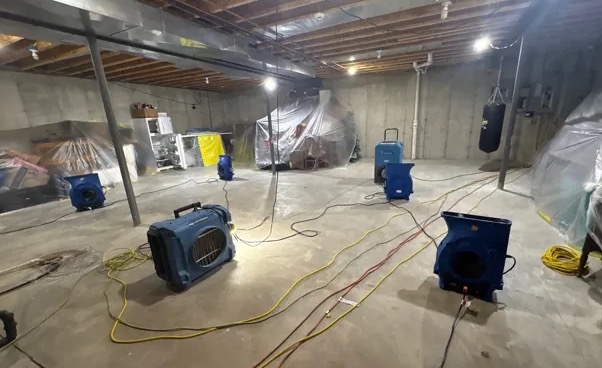
Basement Water Removal Solutions for East Whittier Homeowners
In East Whittier, a finished basement or lower level takes more work after a flood. Carpet, pad, laminate, drywall and insulation all trap water against the concrete and framing.
Few homes in East Whittier have basements, so this work usually covers the lowest part of a home: a sunken room, a below-grade garage, a utility room or a crawl space.
Homeowners in East Whittier can call (562) 512-6288 day or night when the basement is taking on water. Service also covers La Mirada, Buena Park and Whittier, with the same pumping and drying steps.
Specialized Basement Water Removal for East Whittier
Basement Drying Services
Equipment stays until the basement reads dry, not just until it looks dry. Removing it early lets dampness return.
Basement Dehumidification
Dehumidifiers run continuously during drying, and their output is checked to track how much water is still coming out of the materials.
Basement Moisture Inspection
An inspection shows how high water wicked up the walls and how far it spread under flooring, which sets the drying plan.
Basement Water Pump Out
Pumping starts once power to the basement is safe. Deep water goes first, then extractors handle the thin layer left on the floor.
Basement Floor Water Damage
Water on a basement floor soaks into carpet pad, laminate seams and the concrete itself. Floor coverings are lifted where needed so the slab can dry.
Indicators You Need Professional Water Removal
Standing Water in Basement
Standing water anywhere on the basement floor needs to be pumped out before it soaks the walls.
Efflorescence on Concrete Walls
White, powdery deposits on concrete walls mean water is passing through the masonry.
Musty Odors and Mold Smell
A musty or damp smell in the basement points to wet materials hidden somewhere in the space.
Rusted Appliances or Furniture
Rust on appliance bases, furniture legs or metal shelving points to standing water or long-term dampness.
How Basement Water Removal Works in East Whittier
Step 1: Safety Assessment and Pump Out
Electrical hazards are checked, then deep water is pumped outside away from the foundation.
Step 2: Content Removal and Damage Documentation
Wet belongings are moved, and photos record the water level and damaged materials.
Step 3: Targeted Water Removal and Drying
Carpet is extracted, wet drywall is cut back and air is aimed at walls and the slab.
Step 4: Sanitization and Moisture Control
Surfaces touched by dirty water are disinfected, and dehumidifiers keep humidity low.
Common Causes of Basement Water Damage in East Whittier
Sewer Line Backups and Blockages
A blocked sewer line can push wastewater up through basement floor drains and toilets.
Window Well Leaks and Drainage
Window wells without drains or covers fill with rain and leak through the windows.
Improper Landscape Grading
Soil that slopes toward the house directs rainwater straight to the basement walls.
Heavy Rainfall and Storm Flooding
Heavy rain saturates the soil and pushes water through walls, cracks and the floor joint.
House and Business Basement Water Removal in East Whittier
Residential Basement Water Removal
In homes, a wet basement often means damaged carpet, drywall and stored belongings, plus a furnace or water heater sitting in water. Water is pumped out and the space dried.
Commercial Basement Water Removal
In commercial buildings, basements often house mechanical rooms and storage. Water is removed quickly so systems can be checked and restarted safely.
The Risks of DIY Basement Water Removal
Water that came up through a floor drain may be sewage. Avoid touching it, keep children and pets away and call local water extraction experts for cleanup with protective gear and disinfection.
What Influences the Price of Basement Water Removal
Waterproofing and drainage work are separate costs. In East Whittier, they may be needed to stop the next flood.
Time of Service
Night, weekend and storm calls can cost more than a scheduled weekday visit.
Water Depth and Volume
Deeper water takes more pumping time and usually means more materials got wet.
Access and Complexity
Narrow stairs, low ceilings and crowded storage areas make the work slower and longer.
Does Insurance Cover Basement Water Removal?
Photos, moisture readings and drying logs from local water extraction experts help support an insurance claim for basement water damage in East Whittier.
The Value of Professional Basement Water Removal
Post-Service Moisture Verification
Final readings are recorded before equipment leaves, so you know the basement is dry.
Moisture Inspection
Meters and thermal cameras find water in walls, floors and slab that looks dry.
Detailed Damage Documentation
Photos, readings and drying logs are kept to support your insurance claim.
24/7 Emergency Basement Water Removal in East Whittier
Standing water in a basement soaks walls and floors by the hour. Call (562) 512-6288 for basement water removal in East Whittier at any time, day or night.
Call Now (562) 512-6288Local Basement Water Removal Coverage for La Mirada, Buena Park and Whittier
Besides East Whittier, the experts handle basement pump-outs, wall drying and dehumidification in nearby La Mirada, Buena Park and Whittier.
Basement Water Removal FAQs
Can wet drywall in a basement be saved?
Sometimes, if the water was clean and removed quickly. Soaked or contaminated drywall is cut out above the water line.
Why is fast water removal so important for basements?
Basements dry slowly, so every hour of standing water adds drying days and more materials to replace.
What should I do right after basement flooding?
Make power safe, avoid sewage, move belongings above the water, take photos and call for water removal.
What is involved in basement water removal?
Making power safe, pumping out standing water, extracting floors and carpet, removing soaked materials and dehumidifying until dry.
How does a basement moisture inspection work?
Moisture meters and thermal cameras check walls, floors and the slab, including behind finished walls and under flooring.