Rancho Mission Viejo, CA · Orange County
Attic Water Removal in Rancho Mission Viejo, CARoof Leak Water Removal & Attic Drying Services
Get attic water removal in Rancho Mission Viejo for attic moisture inspection, attic leak water cleanup and attic mold prevention.
Answered 24/7
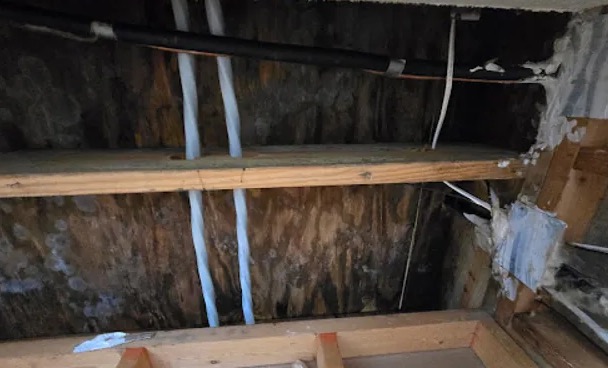
Attic Water Removal Services for Rancho Mission Viejo Homes
Attic Water Removal in Rancho Mission Viejo covers both the attic and the room below. Water rarely stays on the attic floor; it soaks the ceiling and sometimes runs down the walls.
In Rancho Mission Viejo, Ladera Ranch, San Juan Capistrano and Coto de Caza, many attic leaks go unnoticed until the ceiling stains. The pros get the water and wet insulation out before the ceiling has to be replaced.
Specialized Attic Water Removal for Rancho Mission Viejo
Roof Leak Water Removal
A temporary tarp over the damaged section keeps more rain out until the roofer can make a permanent repair.
Attic Drying Services
Drying continues until rafters, decking and ceiling drywall reach normal moisture readings, which is often several days.
Attic Mold Prevention
Ventilation problems, such as blocked soffit vents or a bath fan venting into the attic, are pointed out so the attic does not stay damp.
Wet Attic Insulation Removal
Fiberglass batts are lifted out by hand, while wet blown-in insulation is vacuumed with a high-powered insulation vacuum.
Ceiling Water Damage Cleanup
After the ceiling cavity is dry, the opening is ready for new drywall, tape and paint.
Warning Signs You Need Attic Water Removal
Increased Indoor Humidity Levels
Upstairs rooms that feel sticky or humid may have moisture coming down from the attic.
Sagging or Bubbling Ceiling Drywall
Ceiling drywall that sags, bulges or bubbles at the seams is holding water and may fall.
Visible Mold in Attic Spaces
Dark spots on rafters or roof decking mean the wood has stayed damp for days or longer.
Peeling Paint on Ceilings or Walls
Paint that peels or blisters on upstairs ceilings and walls often has water behind it.
How Attic Water Removal Works in Rancho Mission Viejo
Step 1: Initial Attic Water Damage Assessment
The pros check safety, find the source and map the wet area with moisture meters.
Step 2: Bulk Water and Material Removal
Pooled water, soaked insulation and any sagging drywall are removed from the attic and ceiling.
Step 3: Attic Drying and Evaporation
Warm, dry airflow is aimed at wet wood, with dehumidifiers removing the moisture it releases.
Step 4: Attic Mold Prevention
Once dry, decking and framing that stayed wet can be cleaned and treated with an antimicrobial.
Typical Sources of Attic Water Damage
Overflow From Clogged Bathroom Exhaust Ducts
Bathroom fan ducts that are loose or vented into the attic release moisture onto the wood.
Condensation From Poor Attic Ventilation
Moist air from the house condenses on roof decking when attic ventilation is poor.
Appliance Malfunctions Like Water Heater Leaks
Water heaters located in the attic can leak or fail, flooding the attic floor.
HVAC System Leaks or Drain Pan Overflow
An attic air handler overflows when its condensate line clogs or the drain pan cracks.
Attic Water Removal for Homes and Businesses
Residential Attic Water Removal
In townhomes and condos, a shared attic can carry water into a neighbor's ceiling. Clear photos and readings help sort out repairs with the association.
Commercial Attic Water Removal
Property managers get records for each affected suite or unit, which helps with roof repair planning and insurance claims.
Professional Attic Water Removal Compared to DIY
Catching drips with a bucket and moving furniture out of the way is a smart first step. Call local attic water removal pros if water is pooling in the attic, the ceiling is stained or sagging, or insulation is wet.
Understanding Attic Water Removal Pricing
Roof or plumbing repair is billed separately from water removal and drying. In Rancho Mission Viejo, both are needed after most attic leaks.
Extent of Water Damage
A leak confined to one bay costs less than water spread across the attic and the rooms below.
Water Contamination Level
Clean rainwater is simpler to handle than water from a drain line or other dirty source.
Secondary Damage Repairs
Ceiling drywall replacement and paint in the room below add to the total.
Does Insurance Cover Attic Water Removal?
Insurers often ask what caused the leak and how long it ran. Notes on the entry point and roof condition help answer those questions.
The Value of Local Attic Water Removal Experts
Source Identification
The pros trace the water to its source and note it for the roofer or plumber.
Damage Documentation
Photos, readings and a list of removed materials are kept for insurance.
Industry Drying Standards
Drying follows industry water damage standards, with moisture readings taken at every visit.
24/7 Emergency Attic Water Removal in Rancho Mission Viejo
Water dripping through your ceiling in Rancho Mission Viejo? Put a bucket under it, move belongings and call (562) 512-6288. Attic water removal is available 24/7.
Call Now (562) 512-6288Attic Water Removal Near Rancho Mission Viejo: Areas Served
Attic water removal and drying also cover homes and buildings in Ladera Ranch, San Juan Capistrano and Coto de Caza, close to Rancho Mission Viejo, day or night.
Frequently Asked Questions About Attic Water Removal
What is involved in attic water removal?
Stopping the source, removing pooled water, bagging wet insulation, drying the framing and decking, and checking the ceiling below.
Is attic flood cleanup different from a small leak?
The steps are the same, but a flooded attic needs more extraction, more insulation removal and usually ceiling replacement.
What happens during wet attic cleanup?
Water, wet insulation and debris are removed, stored items are moved out and the attic floor is cleaned before drying.
Can wet attic insulation be saved?
Lightly damp areas sometimes dry, but soaked or matted insulation is usually removed and replaced after the attic dries.
What is an attic moisture inspection?
A check of rafters, decking, insulation and the ceiling below with moisture meters and thermal cameras to find all wet areas.