Culver City, CA · Los Angeles County
AC Unit Water Removal in Culver City, CAAC Leak Water Extraction & AC Condensate Drain Clearing
AC Unit Water Removal in Culver City runs from emergency AC water removal and AC leak water cleanup to air conditioner restoration services.
Answered 24/7
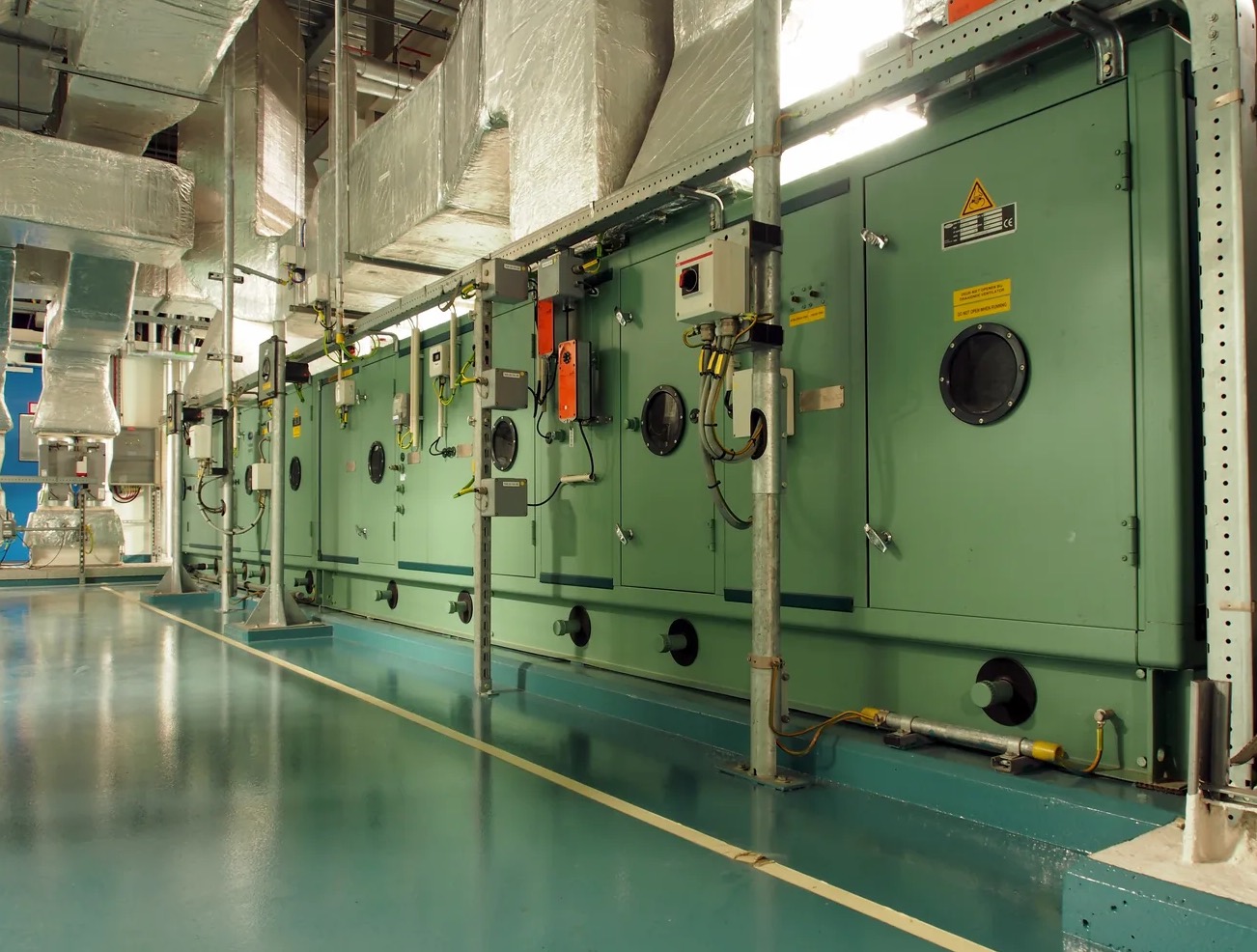
Professional AC Unit Water Removal in Culver City, CA
A leaking AC unit in Culver City can wet drywall, carpet and electrical parts within hours. Water that sits for more than a day or two also raises the risk of microbial growth on wood and paper-faced drywall.
In Culver City, AC leaks usually show up as ceiling stains under attic units, wet carpet near the furnace closet or water dripping from a vent. Help with AC unit water removal is available across Culver City and in Ladera Heights, View Park-Windsor Hills and Marina del Rey, day or night, with extraction, drain clearing and drying.
Comprehensive AC Unit Water Removal Solutions in Culver City
AC Leak Water Extraction
Extraction is followed by drying with air movers and dehumidifiers, with daily readings to track progress.
AC Condensate Drain Clearing
Clearing the line stops the overflow at its source. Without it, the pan refills and the leak returns within days.
AC Leak Mold Prevention
Antimicrobial treatment is an add-on step after drying, not a substitute for removing wet materials that cannot be saved.
Air Conditioner Restoration Services
After drying, damaged drywall, trim or ceiling panels near the unit can be replaced and repainted.
Wet AC Unit Component Drying
Damp insulation inside the cabinet holds water for a long time. It is dried in place or replaced if it stays wet.
When to Call for AC Unit Water Removal in Culver City
Visible Mold Near AC
Dark spots on drywall or framing near the unit mean the area has stayed wet for days.
AC Unit Circuit Breaker Trips
Water reaching electrical parts can trip the breaker. Shut the unit off and call before resetting it again.
High Indoor Humidity Levels
Rooms that feel clammy while the AC runs may mean water is not draining and is evaporating back into the air.
Reduced Cooling Efficiency
A clogged drain can trip a float switch or starve the coil of airflow, so the system runs longer and cools less.
How AC Unit Water Removal Works in Culver City
Step 1: Leak Assessment
The pros find the source of the leak, check how far the water spread and take moisture readings.
Step 2: Source Stop and Water Removal
The drain is cleared or the leaking part isolated, then standing water is extracted from every wet area.
Step 3: System Drying and Dehumidification
Drying equipment runs until walls, floors and insulation test dry, with readings taken at each visit.
Step 4: Verification and Restoration
Final readings confirm the materials are dry, then damaged drywall, trim or ceiling panels can be replaced.
Frequent Sources of AC Water Damage
Age and Component Wear
Older units have worn fittings, brittle seals and corroded pans that start leaking together.
High Static Pressure in Ducts
Restricted ducts can pull water off the coil and blow it into the cabinet or ductwork.
Improper AC Unit Installation
A unit that is not level, or a drain line without enough slope, lets water pool instead of draining.
Excess Outdoor Humidity
Very humid air makes the coil produce more water than a partly clogged drain can carry.
Residential and Commercial AC Unit Water Removal in Culver City
Residential AC Unit Water Removal
For homeowners, the main risk is water soaking into insulation and drywall where no one sees it. Moisture meters find that hidden water so it can be dried before it causes rot.
Commercial AC Unit Water Removal
For property managers, one leaking unit can affect several suites or the floor below. Each wet area is extracted, dried and documented for the owner and insurer.
The Risks of DIY AC Unit Water Removal in Culver City
DIY works for a small puddle on tile that you catch right away and wipe dry. Wet carpet and pad, or drywall that feels soft, usually need professional extraction and drying equipment to dry fully.
Understanding AC Unit Water Removal Pricing in Culver City
After-hours calls, the number of rooms affected, the drying time and any drywall or ceiling repairs all change the total for AC unit water removal in Culver City.
Leak Source and Severity
A slow drip near the closet costs less to fix than an attic overflow that soaked a ceiling and the room below.
Affected Component Count
The more of the system that got wet, such as the blower, panels and insulation, the more drying time is needed.
System Restoration Complexity
Replacing drywall, insulation or trim after drying adds material and labor to the total.
Does Insurance Cover AC Unit Water Removal?
Insurers often ask whether the leak was sudden or ongoing. A record of when the water was found, what it reached and how it was dried helps answer that question.
Benefits of Local Pros for AC Unit Water Removal in Culver City
Leak Source Identification
The pros trace the leak to its source, whether that is a clog, a cracked pan or a failed pump.
Preventative Microbial Treatment
Optional antimicrobial treatment can be applied to wood and drywall that stayed wet for days.
Clear Process Communication
Each step is explained before work starts, so you know what is being removed and why.
Round-the-Clock Emergency AC Unit Water Removal in Culver City
If water is near wiring or the breaker keeps tripping, turn off power to the unit and stay clear of the wet area. Then call (562) 512-6288 for help in Culver City.
Call Now (562) 512-6288Local AC Unit Water Removal Coverage for Culver City, Ladera Heights, View Park-Windsor Hills and Marina del Rey
Help with AC unit water removal is also available in communities near Culver City, including Ladera Heights, View Park-Windsor Hills and Marina del Rey, for leaking air handlers and overflowing drain pans.
- AC Unit Water Removal in Ladera Heights
- AC Unit Water Removal in View Park-Windsor Hills
- AC Unit Water Removal in Marina del Rey
- AC Unit Water Removal in Inglewood
- AC Unit Water Removal in Playa del Rey
- AC Unit Water Removal in Santa Monica
- AC Unit Water Removal in El Segundo
- AC Unit Water Removal in Hawthorne
- Emergency Damage Restoration in 90230
- Storm Damage Restoration in 90230
- Water Damage Restoration in 90230
- Water Extraction Service in 90230
- Water Leak Detection in 90230
- Water Removal Service in 90230
- Emergency Damage Restoration in 90231
- Storm Damage Restoration in 90231
Common AC Unit Water Removal Questions Answered
What happens during AC water extraction?
Pumps and extractors remove water from the pan, floor and carpet, then moisture meters check walls and subfloor for hidden water.
What should I do while waiting for help with an AC leak?
Turn off the AC, place towels or a bucket under the drip, move belongings out of the way and take photos.
What equipment is used to dry AC leak damage?
Extractors, air movers, dehumidifiers and moisture meters, plus wet vacs or pumps for the drain line.
Can a wet AC unit be saved after a leak?
Often yes. Components are dried gently and checked, but an HVAC contractor should inspect electrical parts before the unit runs again.
Why document AC water damage?
Photos and moisture readings show what got wet and how it was dried, which helps your insurance claim.